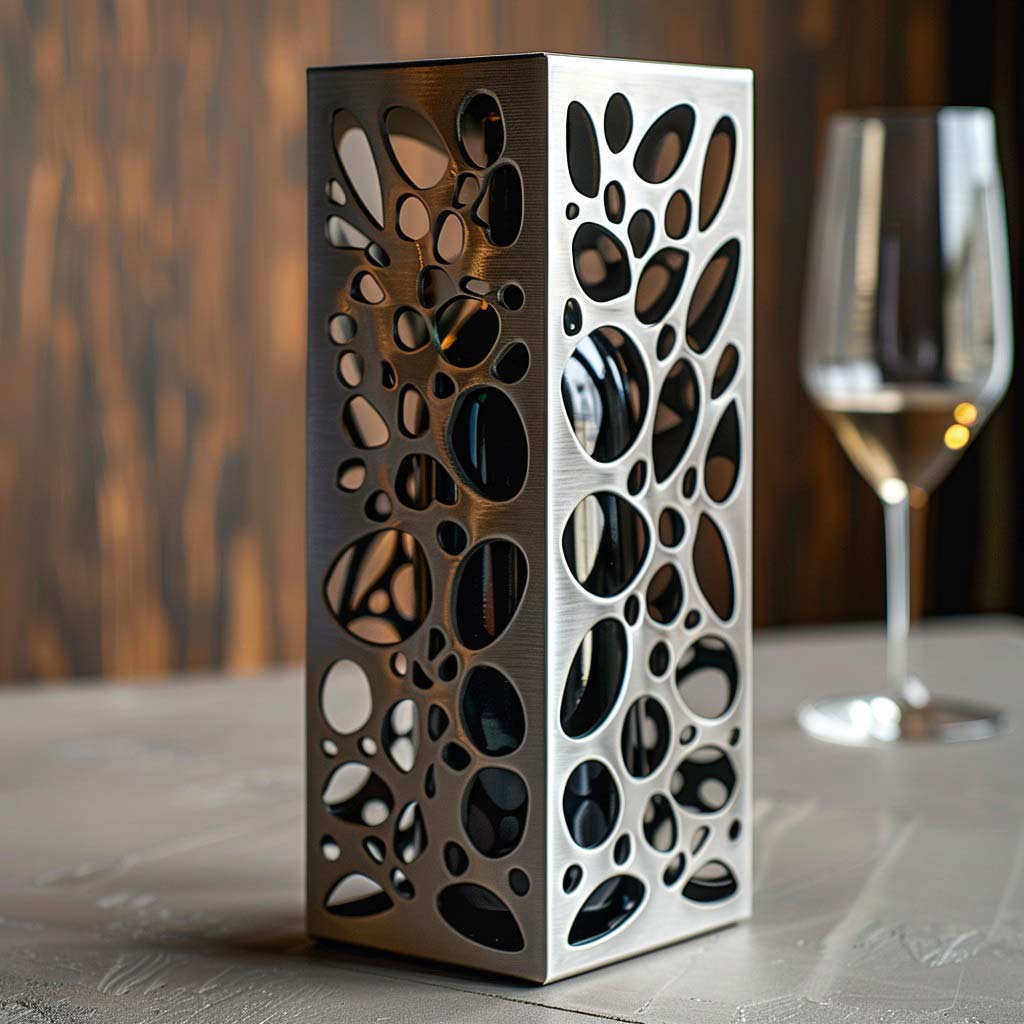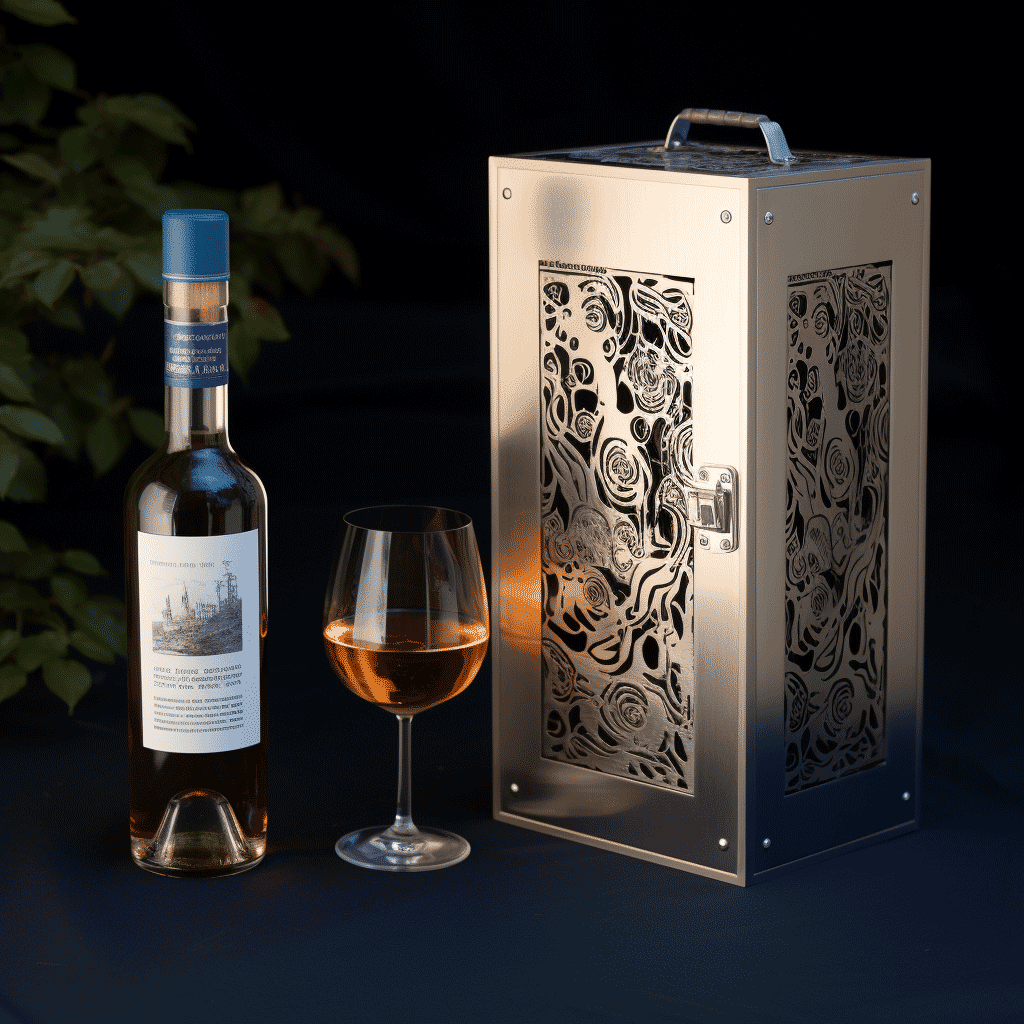

Now, with AI-driven innovation, brands can achieve levels of customization, efficiency, and sustainability never before possible.In this article, we’ll explore how AI technologies are reshaping the design of metal wine boxes.
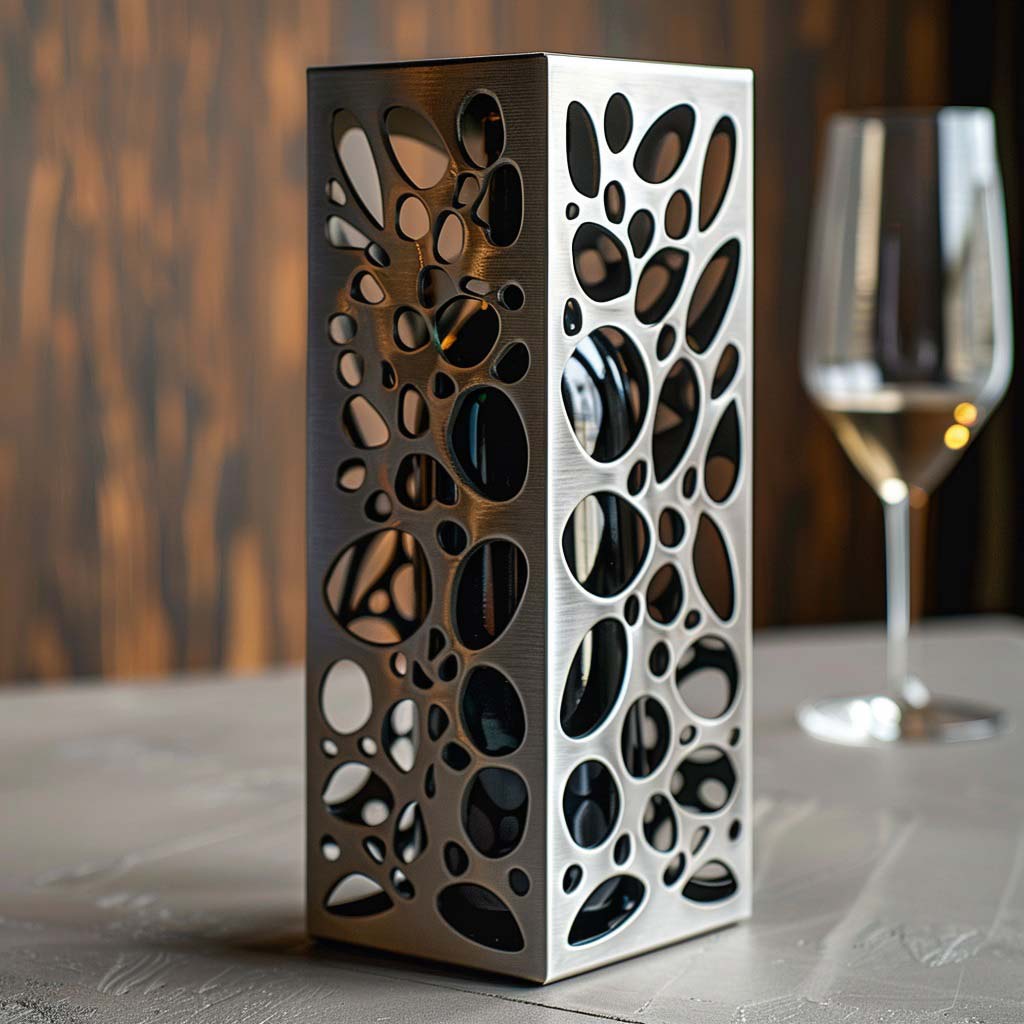
What Role Does AI Play in Modern Packaging Design?
AI plays a crucial role in modern packaging design by automating tasks, optimizing designs for efficiency and sustainability, enabling personalization, and improving functionality through smart packaging. It accelerates the design process, generates innovative solutions, reduces material waste, and helps create intelligent packaging that provides real-time data on product condition and logistics.
Automation and optimization
Automated design: AI can quickly generate and test multiple design options based on specific parameters, speeding up the design process.
Material optimization: Algorithms analyze data to recommend the right size, style, and material for a product, minimizing raw material consumption and waste.
Workflow efficiency: AI streamlines the design-to-production pipeline, from project management to production line tasks, reducing errors and increasing productivity.
Innovation and creativity
Generative design: AI tools can create innovative, efficient, and sometimes unexpected packaging designs that human designers might not conceive of.
Enhanced creativity: AI can assist with visual elements like typography, color schemes, and iconography, providing creative suggestions based on desired aesthetics and market trends.
Simulations: AI-powered simulations can test a design's performance under various conditions (like pressure and temperature) before physical prototypes are made, saving time and resources.
Personalization and market insight
Data-driven personalization: AI analyzes customer data to help brands create personalized packaging that resonates better with specific demographics, including targeted text, colors, and designs.
Market trend analysis: AI can analyze customer feedback from sources like reviews and social media to identify market trends and inform packaging redesigns.
Label creation: AI can automate the creation of labels by automatically filling in product information, expiration dates, and compliance data, reducing manual errors.
Functionality and smart packaging
Smart packaging: AI-powered sensors embedded in packaging can monitor environmental conditions like temperature and humidity for perishable goods, alerting manufacturers and consumers to potential spoilage.
Supply chain data: Smart packaging can provide valuable data on product transit conditions, helping companies optimize their supply chains.
Predictive maintenance: AI can analyze production equipment data to predict maintenance needs and prevent costly downtime on packaging lines.
This helps manufacturers like Fordico create custom metal wine boxes that align with regional styles — for example, matte black finishes for European luxury markets or brushed gold tones for Asian premium consumers.
How Can AI Improve the Functionality of Metal Wine Boxes?
Beyond looks, AI enhances the structural and practical aspects of wine box design — ensuring every detail adds measurable value.
1. Enhanced Durability Testing
Traditional testing methods can be time-consuming and costly. AI simulations now allow manufacturers to predict stress points and mechanical fatigue digitally. These simulations replicate years of use in seconds, optimizing the thickness, hinge strength, and clasp mechanism for long-term reliability.
2. Sustainability Analysis
AI systems calculate the environmental impact of materials and production methods. For example:
Reducing waste by calculating the exact metal sheet dimensions required.
Selecting recyclable alloys for eco-friendly wine gift boxes.
Recommending low-emission coatings for surface treatments.
According to a 2024 McKinsey report, companies using AI for material optimization can cut manufacturing waste by up to 30% — aligning perfectly with the global shift toward sustainable luxury.
3. Improvements in Manufacturing and Supply Chain
Advanced Quality Control: AI-powered vision systems can inspect metal wine boxes during the production process to detect imperfections like dents, scratches, or label misalignments with high precision, reducing defects and waste.
Supply Chain Optimization: AI can optimize inventory management and logistics by analyzing historical sales data, market trends, and even external factors like weather conditions to predict demand and streamline distribution routes, ensuring products are available when needed and minimizing waste.
Predictive Maintenance: In the production line, AI systems can monitor machinery health via sensors to predict equipment failures before they occur, minimizing costly downtime and ensuring consistent production quality.
Sustainable Practices: AI can help optimize material usage (e.g., determining the ideal thickness of the metal) and identify areas for energy savings in the manufacturing process, contributing to sustainability goals.
Why AI-Driven Design Matters for Metal Packaging Manufacturers
For leading OEM/ODM producers like Fordico, AI is not just a design tool — it’s a strategic advantage. By integrating AI into every stage of product development, manufacturers can deliver superior craftsmanship, speed, and efficiency.
1. Accelerated Prototyping
AI-powered CAD (Computer-Aided Design) platforms can generate design prototypes up to 70% faster than manual methods. This reduces lead times and allows quicker adaptation to market demands or custom client requests.
2. Cost Efficiency
Automated optimization ensures that every gram of metal is used purposefully, lowering raw material costs and reducing production waste.
3. Data-Driven Creativity
By analyzing global consumer feedback, AI uncovers emerging design trends before they peak — helping brands stay ahead in competitive markets like Europe and North America.
Case Study: Fordico’s Vision for AI-Powered Packaging Excellence
Fordico, a global OEM manufacturer of custom metal wine boxes, bar accessories, and metal goblets, is embracing AI as part of its design and manufacturing innovation strategy. With ISO, BSCI, and SEDEX certifications, Fordico combines traditional craftsmanship with digital intelligence to deliver high-quality, sustainable packaging solutions.
Fordico’s AI Applications Include:
Generative design models to optimize box structures for durability and weight reduction.
AI-powered engraving simulation for creating intricate, artistic patterns efficiently.
Material selection algorithms ensuring long-lasting finishes in zinc alloy, brass, and stainless steel.
Predictive market analytics that identify trends for upcoming holiday and corporate gifting seasons.
This integration of AI allows Fordico to produce custom metal wine boxes that balance luxury, environmental responsibility, and affordability — setting a new benchmark for premium OEM packaging.
The Future: AI and Sustainable Luxury Packaging
The sustainable packaging market, valued at over 270 billion dollars in 2024, has grown over recent years and is forecast to increase further, surpassing 490 billion U.S. dollars by 2034.
The next generation of wine boxes will be smarter, greener, and more personalized. With AI’s predictive and generative capabilities, manufacturers can achieve:
Zero-waste production through precision material optimization.
AI-generated design libraries for endless aesthetic variety.
Adaptive packaging that adjusts to bottle dimensions and shipping requirements.
Moreover, as sustainability becomes a global expectation, metal wine boxes — made from recyclable materials like stainless steel or zinc alloy — stand out as the future of eco-luxury packaging.
Conclusion:
The integration of artificial intelligence and traditional metal processing technology marks the arrival of a new era of design — an era of beauty and intelligence. Metal wine box, originally favored for its durability and unique charm, is now more transformed into a smart design masterpiece with the concept of scientific and technological progress and sustainable development.
Brands such as Fordico have led this change, using artificial intelligence technology to create a precision design, environmentally friendly and beautiful wine packaging solution.